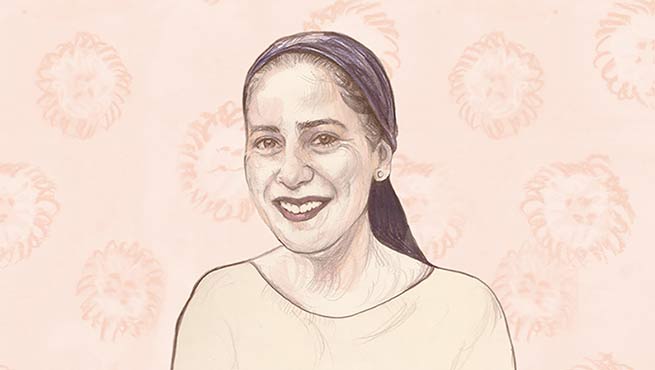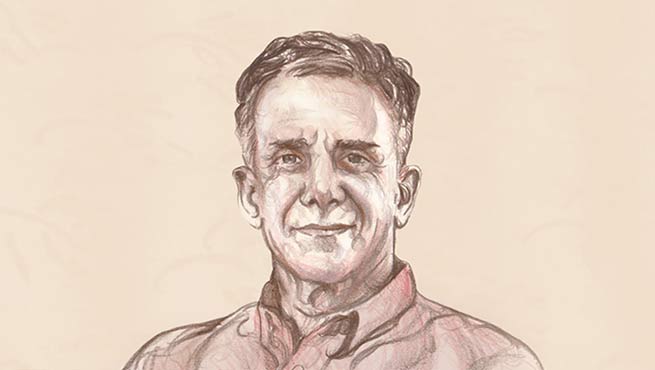
Loss comes in many shapes and forms, all devastating and life changing for those left behind, but as Paul says about his wife, Rachel – there’s something particularly cruel about losing the person you love whilst they’re still physically there.
Rachel and Paul met at secondary school and married soon after graduating from university – a true love story. They settled in Pinner and both built successful careers – Paul as an architect and Rachel in human resources for a high street department store chain. Unable to have children of their own, Rachel and Paul threw themselves into spending time with their nieces and nephews, as well as volunteering at their synagogue.
Not long after their 40th wedding anniversary, they went on a cruise to celebrate. Paul had started to notice changes in Rachel’s behaviour which became more obvious away from the comfort of their daily routine. Usually very outgoing, Rachel was more reserved and didn’t make connections with fellow passengers as previously. She also seemed distracted, struggling to focus during conversations and some of the activities they participated in.
Once they returned home, Rachel’s symptoms became more obvious and although those close to the couple would either dismiss or make light of her changing behaviour, Paul realised there was something very wrong. After several doctor’s appointments, Rachel was referred to a neurologist who diagnosed her with early onset dementia at just 63. On hearing the diagnosis, Rachel and Paul’s life turned upside down and all their plans for an active, fulfilled retirement immediately disappeared.
Faced with a stark new reality, Paul felt lost, grieving for his wife who although physically there, was only mentally present on increasingly fleeting periods of time.
“Although our family and friends were a great support, there were limits to their knowledge and practical help with such a devastating diagnosis,” says Paul. “Our Rabbi came to visit us and suggested I contact Paperweight’s ElderCare Hub which would help me navigate the unfamiliar world of adult social care.”
“The help I have received has been invaluable and so sensitively dealt with. and It means that for the moment, my Rachel is able to receive the care she needs as, amongst other things, I have applied for certain benefits and care assistance which I had no idea at all I was entitled to. I know of course that this phase will not last for ever, but with our present needs currently taken care of, it has given me time to think and evaluate and I have peace of mind knowing that whatever the future holds, Paperweight will be with me every step of the way.”